MEMBERSHIP LOGIN

email
Subscribe for PTCOG-NA Updates
people
Membership Portal

INVITED SPEAKERS
The list of speakers is updated regularly.
 Thomas Bortfeld
Massachusetts General Hospital, Harvard Medical School

Dr. Bortfeld received his Ph.D. in Physics from the University of Heidelberg, Germany, in 1990. While working in medical physics at the German Cancer Research Center (DKFZ), he was instrumental in the early development of intensity-modulated radiation therapy (IMRT), including inverse planning algorithms and the delivery of IMRT with multileaf collimators (MLC). His work enabled the first clinical application of MLC-based IMRT at Memorial Sloan Kettering Cancer Center in New York in 1995. Since then, more than 30 million patients worldwide have been treated with these techniques. In 2001, Dr. Bortfeld was appointed Director of Physics Research in Radiation Oncology at Massachusetts General Hospital (MGH) in Boston, where he is now Chief of the Division of Radiation Biophysics and Andres Soriano Professor at Harvard Medical School. His current research interests include Temporal Optimization and Personalization of radiation therapy (TEMPO), the transformation of clinical target definition from an art to a science, and the democratization of proton therapy.
Eugen Hug
Medical Director and Co-Managing Director at the MedAustron Ion Therapy Center

Professor Dr. Eugen Hug holds the position of Medical Director and Co-Managing Director at the MedAustron Ion Therapy Center. Since the early 90s and following completion of his residency in Radiation Oncology at Massachusetts General Hospital, he co-pioneered the introduction and expansion of Particle Therapy for various diseases into routine clinical practice. Amongst others, he held senior positions as the Director of the Paul Scherrer Proton Institute in Switzerland, Professor of Proton-Radiation at the University of Zurich, Professor of Radiation Oncology and Professor of Pediatrics at Dartmouth Medical School as well as CMO at ProCure of four proton centers in the USA. His clinical specialization focuses on pediatric malignancies, skull base tumors and sarcomas. He served as Chair of the Particle Therapy Cooperative Group (PTCOG), Co-Chair of various Subcommittees and is Co-Founder and Past-President of PTCOG North America. He has authored numerous publications, founded and co-founded worldwide seminars (PSI Winter School, ESTRO Teaching Course of Particle Therapy) and teaches extensively on Particle Therapy.
Michael Story
Director of Radiobiology at the Mayo Clinic in Florida
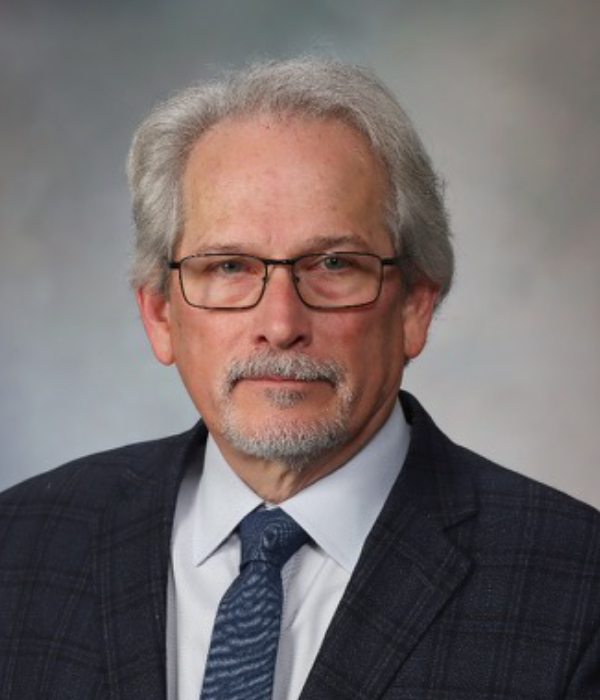
After 35 years in the University of Texas system including at the MD Anderson Cancer Center and Southwestern Medical Center where I ultimately became Vice-Chair of the Department of Radiation Oncology, Chair of the Molecular Radiation Biology Division and held the David A Pistenmaa MD, PhD Distinguished Chair in Radiation Oncology, I joined the Mayo Clinic in Florida. I now hold a joint appointment in the Departments of Cancer Biology and Radiation Oncology where my responsibilities as Director of Radiobiology include the development of a radiobiology program for our proton and carbon ion facility. My research program includes a molecular examination of the factors that increase carcinogenic risk from the deep space radiation environment, examination of small molecule radioprotectors and radiomitigators and determining the molecular events associated with exposure to Tumor Treating Fields. My lab is developing signatures of radioresistance, identifying and exploiting molecular alterations in pancreatic tumors that render those tumors sensitive to carbon ions and examining the role of the DNA repair pathways in response to charged particles in combination with targeted inhibitors to the DNA damage response proteins in several cancers. Lastly, I serve on the Board of Directors for the National Council for Radiation Protection.
Mark Chan
Medical Physicist at the University of Nebraska Medical Center, Omaha

Dr. Chan is a Medical Physicist specialized in spot scanning proton therapy. He obtained his Ph.D. at the University of Hong Kong and completed his medical physics training in 2008 (2006-2008). He became a Senior physicist at the Imperial College Healthcare NHS Trust in the United Kingdom and a visiting lecturer of the Bioengineering Master program at the Imperial College London since 2017. He became a proton therapy physics expert since he practiced in Germany in 2019 and the Netherlands in 2021. Dr. Chan joined University Nebraska Medical Center in 2024 to lead the installation and operation of the first proton therapy facility in Nebraska.
Matthew Hall
PTCOG-NA President
Miami Cancer Institute, Baptist Health South Florida

Matthew Hall, MD, MBA is the lead pediatric radiation oncologist and chief of the sarcoma and skull base radiation oncology services at Miami Cancer Institute, Baptist Health South Florida. He is currently the PTCOG-NA President (since 2025).
Adeel Kaiser
Miami Cancer Institute
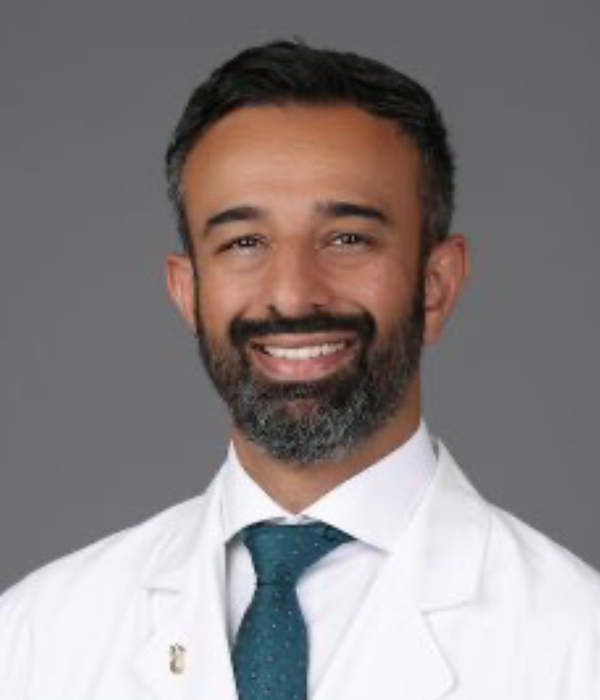
Dr. Kaiser joins Miami Cancer Institute from the University of Maryland Department of Radiation Oncology, where he served as the director of the Advanced Modalities Fellowship Program. This program trained national and international students in emerging radiation oncology modalities, including pencil beam proton therapy, GammaPod radiosurgery and deep tissue hyperthermia. Dr. Kaiser also served as the director of the Integrative Wellness Program at the Maryland Proton Treatment Center, which sought to incorporate diet, exercise and emotional support strategies with radiation therapy.
Dr. Kaiser earned his medical degree from Johns Hopkins University School of Medicine. He completed his internship in internal medicine at the University of Chicago and his residency in radiation oncology at the University of California, Irvine.
Sanford Katz
Assistant Director of the Willis-Knighton Cancer Center’s Department of Radiation Oncology
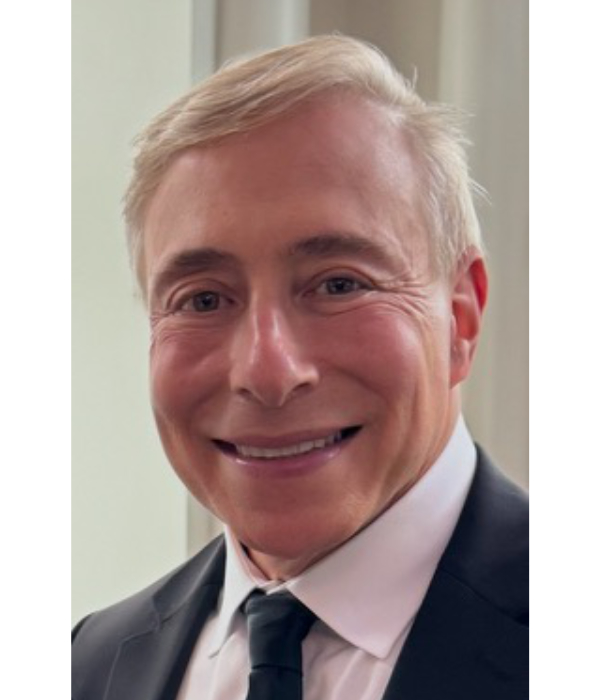
Dr. Sanford Rory Katz, M.D., F.A.C.R.O., is a recognized leader in radiation oncology, with a career spanning over 25 years in cancer treatment, research, and education. He serves as Assistant Director of the Willis-Knighton Cancer Center’s Department of Radiation Oncology and holds multiple faculty appointments at Louisiana State University Health Sciences Center.
Specializing in the treatment of head and neck cancers, Dr. Katz focuses his research on developing and utilizing technological and pharmaceutical strategies to reduce treatment-related toxicity. He has led or collaborated on numerous groundbreaking national and international clinical trials. His work has helped shape best practices in cancer care and advanced the use of precision radiation therapy to improve patient outcomes.
Outside the clinic and laboratory, Dr. Katz is a dedicated advocate for public health education. He has reached thousands as the longtime host of Health Matters on Red River Public Radio and as a trusted voice in television and print media.
Dr. Katz’s career reflects a steadfast commitment to excellence, innovation, and service—to his patients, his students, and the broader community.
Sameer Keole
Mayo Clinic, Phoenix
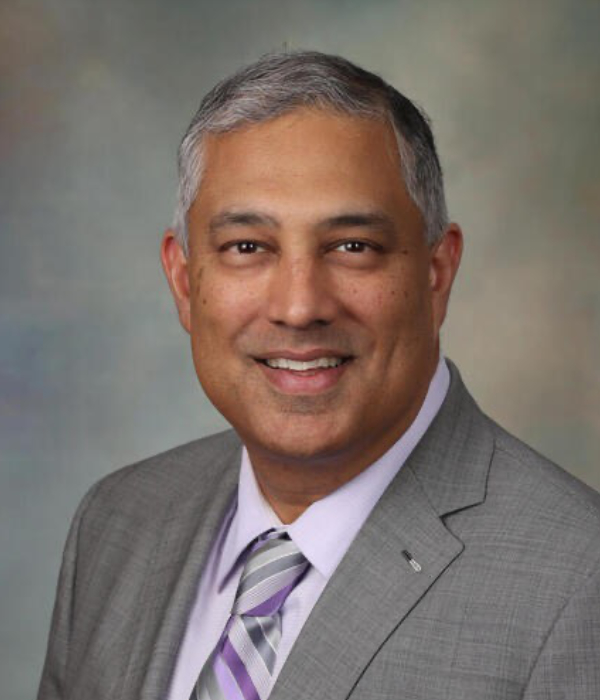
Sameer Keole, M.D., Radiation Oncologist, Mayo Clinic Comprehensive Cancer Center, has been named president-elect of the American Society for Radiation Oncology (ASTRO), the world's largest association of healthcare professionals specializing in treating patients with radiation therapies.
Dr. Keole began his four-year term in October 2023 during ASTRO's 65th annual meeting in San Diego. He represents the society’s 10,000 members by serving one-year terms as president-elect, president, board chair and immediate past chair.
Dr. Keole specializes in caring for pediatric and adult patients diagnosed with spine, brain and other central nervous system tumors.
Jennifer Maggiore
Executive Director of the National Association for Proton Therapy (NAPT), Jacksonville

Jennifer Maggiore serves as Executive Director of the National Association for Proton Therapy (NAPT), the leading organization dedicated to advancing access to proton therapy. Representing 51 member institutions across the country, she leads national efforts to promote awareness, advocates for increased access to proton therapy and supports research collaboration for this innovative and precise form of cancer treatment.
Under her leadership, NAPT has strengthened its position as a unified voice for the proton therapy community bringing together clinical, research, and industry leaders to advocate for policies that support patients and expand access to care. Jennifer works closely with policymakers, federal agencies, and payer organizations to ensure proton therapy remains a sustainable and vital option in modern cancer treatment.
With more than 20 years of experience in cancer care and healthcare leadership, Jennifer is committed to supporting NAPT members and driving the mission to make proton therapy available to all patients who may benefit.
Kristen McConnell
Miami Cancer Institute, Radiation Oncology, Miami, USA

Dr. Kristen McConnell is a senior proton physicist at Baptist Health South Florida with a background in mechanical and nuclear engineering. Prior to joining BHSF, she was an assistant professor at The University of Alabama at Birmingham, where she specialized in brachytherapy and proton therapy. She completed her Ph.D. in radiological sciences from the UT Health San Antonio and her residency at UC San Diego in 2020. Before becoming a medical physicist, she was a systems integration consultant for Accenture working on large scale software implementations to improve efficiency in the aerospace and defense sector.
Mackenzie McGee
Radiation Oncologist at OSF Healthcare St. Francis Medical Centre (SFMC)
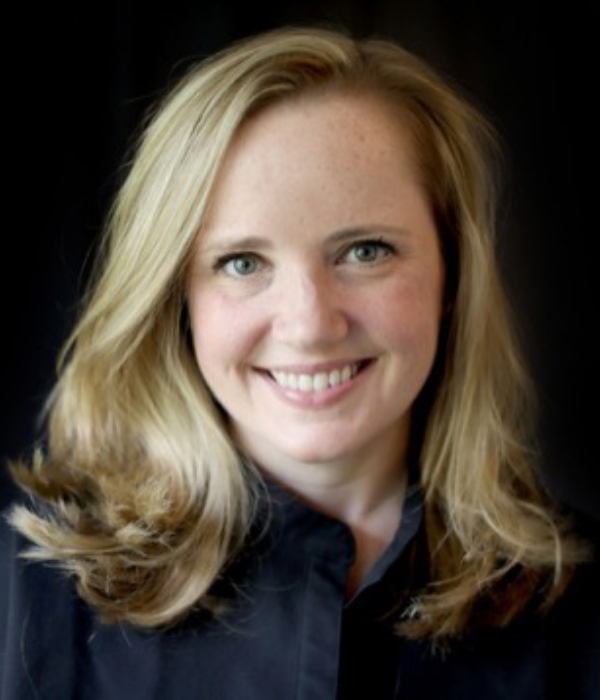
Mackenzie McGee, MD is a Radiation Oncologist at OSF Healthcare St. Francis Medical Center (SFMC) in Peoria, IL. She completed medical school at Loyola Stritch School of Medicine in Chicago followed by a residency in radiation oncology at Beaumont Health System in Royal Oak, MI. She is a clinical associate professor at the University of Illinois College of Medicine at Peoria. She currently serves on the NRG Oncology cervix cancer core committee. Dr. McGee chairs the cancer supportive services committee for OSF Healthcare working to improve equitable access to services across the system’s ministry, which includes large rural populations. Her research efforts have focused on collaborations for innovative strategies to improve access to services including use of virtual reality for psychotherapy delivery and use of interventions to achieve equitable breast cancer screening in rural Illinois. At SFMC, she serves as medical director of radiation oncology, breast program director and medical staff president. Her primary clinical interests include breast cancer, gynecologic cancers and lung malignancies with expertise in gyn brachytherapy.
Catherine Mercado
Orlando Health, Florida
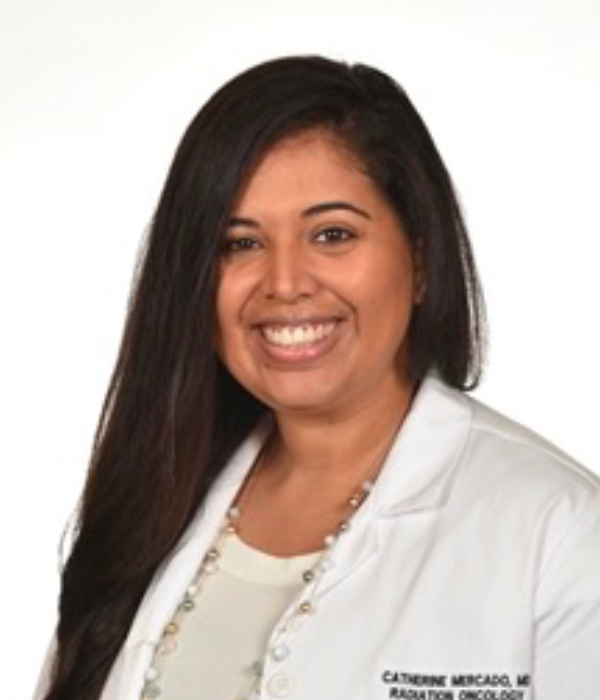
Dr. Catherine Mercado is a board-certified radiation oncologist with the Center for Advanced Radiation Therapy at Orlando Health Cancer Institute. She provides compassionate care for pediatric and adult patients at every stage of cancer and has additional expertise in proton therapy, intensity-modulated radiotherapy, stereotactic radiosurgery and image-guided radiotherapy.
Melissa Mitchell
Professor in the Department of Breast Radiation Oncology at the University of Texas MD Anderson Cancer Center
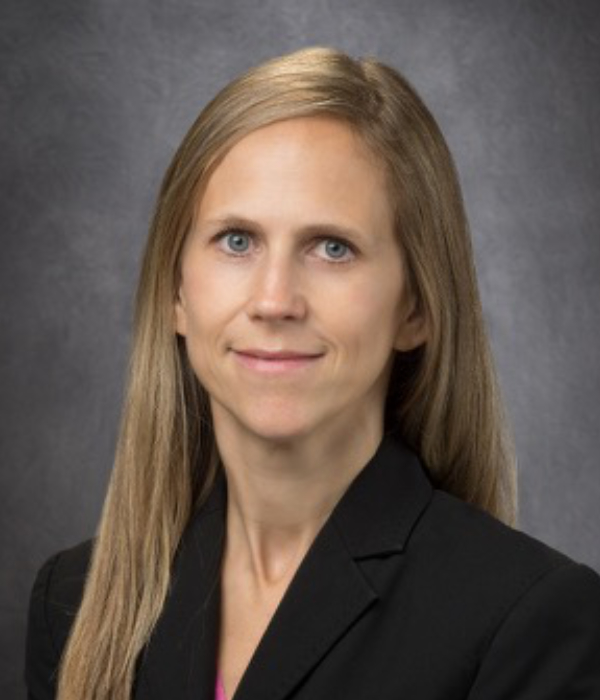
Melissa Mitchell is a Professor in the Department of Breast Radiation Oncology at the University of Texas MD Anderson Cancer Center. Her research focuses on reducing overtreatment with radiotherapy for breast cancer and reduction in radiotoxicity. As the operations lead for her department, she also works actively with the Breast Radiation Physics group, therapy, and dosimetry to improve the quality of treatment planning and delivery for breast cancer patients undergoing photon and proton radiotherapy.
Ronny Rotondo
University of Kansas Medical Center, Kansas City
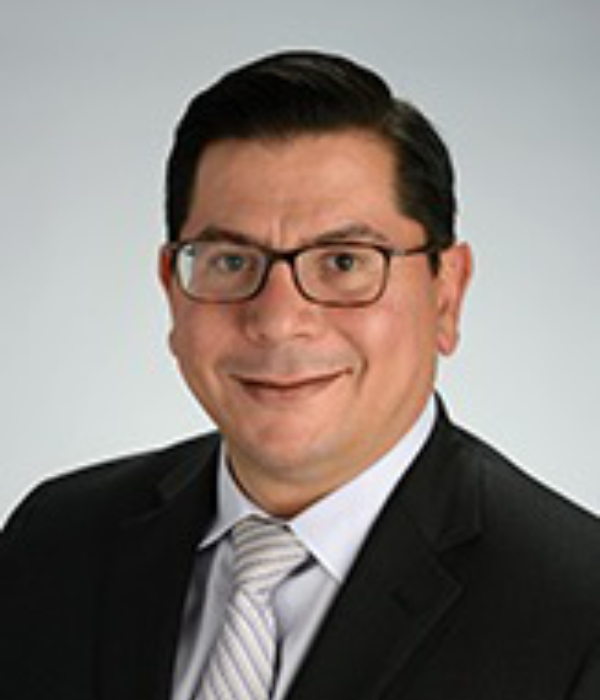
Dr. Rotondo is an Associate Professor of Radiation Oncology and is the Medical Director of Proton therapy at the University of Kansas Health System. He also serves as the Director of the Pediatric Radiotherapy Program. He has extensive training and expertise in the management of pediatric malignancies and also specializes in the treatment of adult brain tumors, base of skull and spine tumors, and soft tissue and bone sarcomas. He is board certified in radiation oncology clinical practice in both the United States and Canada.
Lane Rosen
Medical Director of Radiation Oncology at the Willis-Knighton Cancer Center, Shreveport

Lane R. Rosen MD FACRO is a board-certified radiation oncologist and Medical Director of Radiation Oncology at Willis-Knighton Health System. He has been at the helm since 1997 and has overseen the department's transformation to an international leader in advanced cancer care technology. Dr. Rosen attended LSU School of Medicine in Shreveport with a residency in Radiation Oncology at George Washington University in Washington, D.C. where he served as Chief Resident. With the support of his excellent team at Willis-Knighton in Shreveport, Louisiana, the department has pioneered several radiotherapy technologies. Dr Rosen was the first physician to deliver TomoTherapy SBRT as well as Image-Guided Intensity Modulated Proton therapy on a commercial compact proton unit. Dr Rosen practices full-time at Willis-Knighton but is an Assistant Professor of Internal Medicine, Gynecology and Radiology at LSU Medical School in Shreveport and an Adjunct Instructor of Radiation Oncology at Tulane Medical Center in New Orleans. He and his group have welcomed international visitors interested in Proton Therapy, TomoTherapy, and Brachytherapy.
Michael Rutenberg
Associate Professor of Radiation Oncology at Mayo Clinic Florida
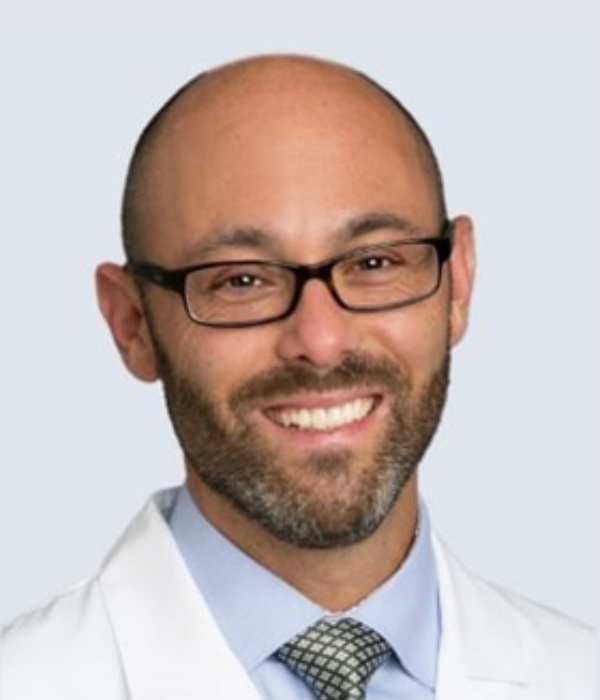
Michael Rutenberg is an Associate Professor of Radiation Oncology at Mayo Clinic Florida. His clinical and research interests focus on gastrointestinal malignancies, including pancreatic cancer, liver cancers, esophageal cancer, and anorectal carcinomas.
Dr. Rutenberg is a graduate of the University of Florida M.D./Ph.D. program. He completed residency training at the University of Maryland Medical Center. He is active in clinical research in GI Oncology including ongoing studies evaluating intraoperative radiotherapy for pancreatic carcinoma, ablative radiotherapy for oligometastatic pancreatic carcinoma, and biomarker studies for anal carcinoma. Prior to joining the Mayo Clinic, he was an Associate Professor at the University of Florida Proton Therapy Institute.
Robert Salim
Attorney

Robert is admitted to practice before all courts, State and Federal, in Louisiana as well as the U.S. Court of Appeals, Fifth Circuit. He is a member of the Natchitoches Parish Bar Association, Louisiana Trial Lawyers Association, American Association for Justice, Immaculate Conception Church, and a former member of Board of Governors of the Association of Trial Lawyers of America. Since 2007, he has been selected as one of the 100 Top Trial Lawyers as determined by The American Trial Lawyers Association. Robert is a founding member of The Class Action Trial Lawyers Association.
Brock Sishc
Mayo Clinic Florida
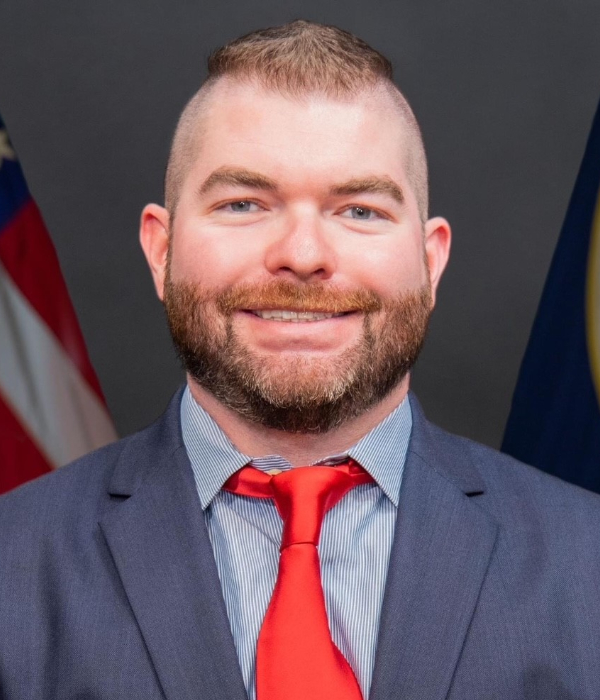
Dr. Brock Sishc is currently an Assistant Professor and Research Scientist in the Departments of Radiation Oncology and Cancer Biology at Mayo Clinic Florida where his current research interests include understanding the biological mechanisms of charged particle therapy (with a particular focus on carbon ion radiotherapy and translational radiation oncology). Brock joined Mayo Clinic Florida in the Fall of 2024 after serving for four years as the Cancer Discipline Lead for NASA’s Space Radiation Element, part of the agency’s Human Research Program. Brock received his Ph.D. from Colorado State University with a focus in space radiation research prior to moving to UT Southwestern Medical Center (Dallas, TX) where he completed a post-doctoral fellowship focusing on particle therapy and the application of radiomodulators in radiation therapy. Following the discontinuation of the carbon ion radiotherapy center at UTSW due to COVID in 2020, Brock accepted the role of Cancer Discipline Lead at Johnson Space Center where he directed research funding and informed the agency’s stance on space radiation carcinogenesis risk from a regulatory standpoint. Today, Brock will be discussing the similarities and differences between charged particle radiotherapy and the charged particle radiation exposures experienced in space with a particular focus on the comparison between cancer treatment and space radiation carcinogenesis.
Jake Chiachien Wang
Willis-Knighton Cancer Center, Shreveport
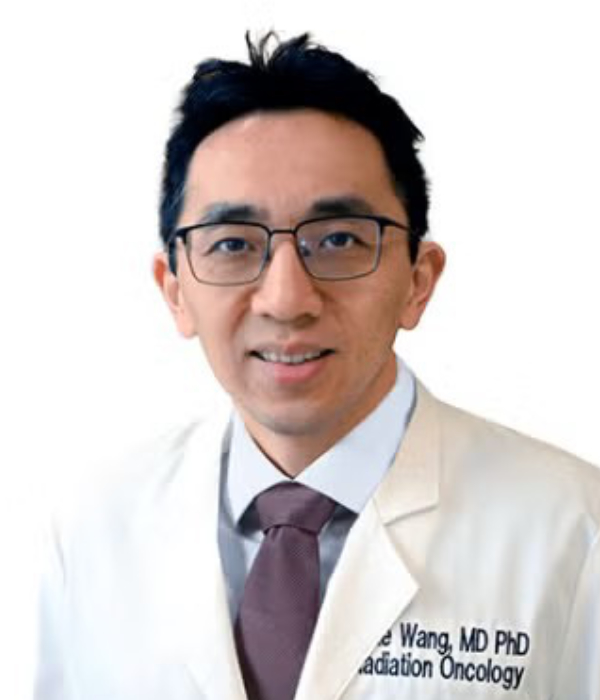
Dr. Chiachien J. Wang is a radiation oncologist in Shreveport, Louisiana and is affiliated with Willis-Knighton Medical Center DBA Willis Knighton Health. He received his medical degree from University of Connecticut and has been in practice between 11-20 years.
Jean Wright
Chair of Radiation Oncology at the University of North Carolina, School of Medicine

Jean Wright is Nominated Professor and Chair of Radiation Oncology at the University of North Carolina and previously served as the Director of the Breast Radiation Oncology Program, as well as the Vice Chair for Safety and Quality for the Department of Radiation Oncology at Johns Hopkins University. Dr Wright specializes in radiation treatment for breast cancer, with experience in proton radiotherapy for breast cancer. She is breast section editor of the International Journal of Radiation Oncology Biology and Physics, a member of the American Board of Radiology Breast Committee and the Breast Oncology Local Disease (BOLD) Task Force, and is the Vice Chair of the Clinical Affairs and Quality Council for the American Society of Radiation Oncology (ASTRO). Her research interests include novel strategies for treatment of early-stage breast cancer, implementation strategies for tailored radiation decision making in low-risk breast cancer, and toxicity related to breast radiation.
Ming Yang
Associate Professor in Radiation Physics Department at UT MD Anderson Cancer Center (MDACC), Houston

Ming Yang is currently an Associate Professor in Radiation Physics Department at UT MD Anderson Cancer Center (MDACC). He obtained his Ph.D. in medical physics at MDACC in 2011, and stayed thereafter to receive clinical training through the residency program. After completing the residency, Dr. Yang joined UTSW as an assistant professor in 2013. Dr. Yang re-joined MDACC to work as a faculty medical physicist at the proton therapy center at MDACC in 2019. His work at MDACC include clinical service, education and research. Dr. Yang’s main research interest is devoted to improving the quality and robustness of proton radiation therapy by employing advanced imaging techniques such as dual-energy CT or advanced computational/optimization algorithms such as deep learning-based algorithms. Other research interests include individualized treatment modality selection, robust treatment planning, outcome prediction, accurate dosimetry for proton FLASH radiation, etc.
Jing Zeng
Associate Professor in the Department of Radiation Oncology at the University of Washington School of Medicine
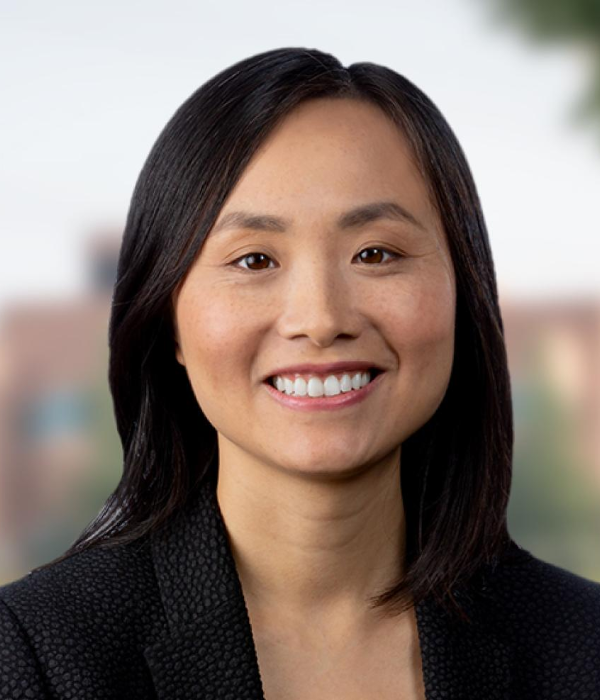
Dr. Jing Zeng is an Associate Professor in the Department of Radiation Oncology at the University of Washington School of Medicine, and Medical Director of the Seattle Cancer Care Alliance Proton Therapy Center. Her clinical focus includes thoracic and genitourinary malignancies. Her research focus includes response-adaptive radiation therapy, ultra-high dose rate radiation, and using radiation to help systemic treatments work better.
PTCOG-NA Copyright © 2019. All Rights Reserved.
Powered by APPTIDE | Terms of Service