MEMBERSHIP LOGIN

email
Subscribe for PTCOG-NA Updates
people
Membership Portal
INVITED SPEAKERS
The list of speakers is updated regularly.
 Marco Durante
Director of the Biophysics Department at GSI Helmholtz Center for Heavy Ion Research, Darmstadt, Germany
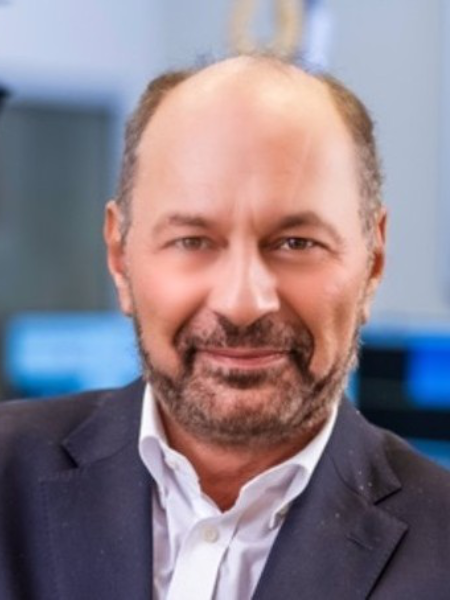
Prof. Dr. Marco Durante is Director of the Biophysics Department at GSI Helmholtz Center for Heavy Ion Research (Darmstadt, Germany) and Full Professor of Physics at the Technical University of Darmstadt. He got his Ph.D. in Physics in 1992 at the University Federico II in Italy, and has dedicated his research efforts to the biophysics of high-energy charged particles, with applications in cancer therapy and space radiation protection. He is generally recognized as world leader in the field of particle radiobiology and medical physics and is co-author of over 550 papers in peer-reviewed scientific journals (h-index=71) and one patent on proton therapy. He is currently chair of the Particle Therapy Co-Operative Group (PTCOG). He was President of the International Association for Radiation Research (IARR) from 2011-15. Prof. Durante has been awarded several prizes for his contributions to charged particle biophysics, including the 8th Warren K. Sinclair Award of the US National Academy of Sciences, the 2013 IBA-Europhysics Award for Applied Nuclear Science and Nuclear Methods in Medicine (European Physics Society), the 2013 Bacq & Alexander award of the European Radiation Research Society (ERRS), the 2020 Failla award of the Radiation Research Society (RRS), the 2023 Henry S. Kaplan Distinguished Scientist Award of the International Association for Radiation Research (IARR), the 2024 Ellen Gleditsch award of the Norwegian Academy of Sciences and the 2025 BIR Medal for Outstanding International Achievement of the British Institute of Radiology (BIR). He is a recipient of two ERC Advanced Grants in (2020 and 2026) on particle therapy.
Nancy Mendenhall
Medical Director at the UF Health Proton Therapy Institute, Jacksonville
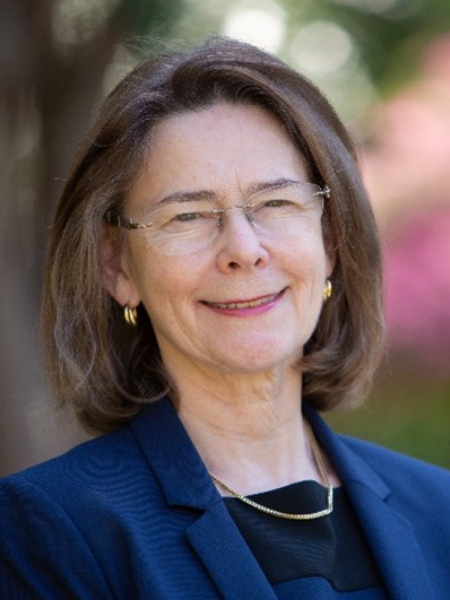
Nancy Mendenhall MD, FASTRO, Associate Chair and Medical Director of the UF Health Proton Therapy Institute, has more than 30 years of experience in Radiation Oncology and specializes in the areas of breast cancer, Hodgkin disease, lymphomas and pediatric cancers, as well as prostate cancer. Her primary focus for the past 14 years has been the expansion of the use of proton therapy.Prior to assuming her current role as the Medical Director for the University of Florida Health Proton Therapy Institute (UFHPTI) in 2006, she was Department Chair for Radiation Oncology at the University of Florida College of Medicine, and the first female Chair in the College’s history. Dr. Mendenhall is an enthusiastic teacher who is invited to lecture at numerous national and international meetings, delivering more than 100 educational lectures in her career, and has become a sought-after visiting professor, panelist and refresher course lecturer. She is also an endless source of inspiration for young scientists in the field of radiation and has trained more than 87 residents and fostered over 75 resident peer-reviewed publications.As the Editor-in-Chief of the International Journal of Particle Therapy, she, along with Dr. Bill Mendenhall as Operations Editor, helped to found the first peer-reviewed international academic journal for particle therapy. Dr. Mendenhall and her team received a five-year, $11.9 million award in 2017 from the Patient-Centered Outcomes Research Institute which supports the research study ‘A Prospective COMparative Study of Outcomes with Proton and Photon RAdiation in PRostate CancEr ( COMPPARE)’ which is a large-scale, pragmatic clinical study to compare outcomes between proton and conventional radiation in 3,000 men with prostate cancer for which she is lead Principle Investigator.
Gabriel Sawakuchi
Professor and Gastrointestinal-Physics Service Chief at the University of Texas MD Anderson Cancer Center, Houston
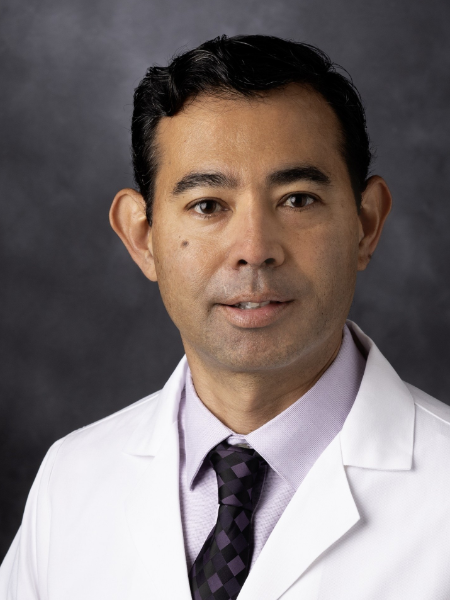
Dr. Sawakuchi is a board-certified Clinical Medical Physicist, Professor (with tenure) and Clinician Scientist in the Department of Radiation Physics at MD Anderson. He is also a regular faculty member of the Graduate School of Biomedical Sciences, The University of Texas, Houston and an Adjunct Professor in the Department of Biosciences at Rice University. As the gastrointestinal-physics service chief in the Department of Radiation Physics, he leads a team of eight PhD level board-certified Clinical Medical Physicists that oversees the treatment of over 1,000 patients per year. Dr. Sawakuchi’s research is at the interface of radiobiology, DNA repair, and immunology and currently focuses on understanding how radiation-induced DNA damage, and repair can be leveraged to radiosensitize tumors and activate the immune system to combat cancer. His lab studies how different forms of clinical radiation modulate oxidative stress, DNA damage, DNA repair and immune activation. He is interested in the physical, clinical and biological aspects of proton, helium ion, carbon ion and alpha particle therapy. His laboratory has expertise in studying combinations of radiation with DNA repair inhibitors and immune checkpoint inhibitors.
James Edward Bates
Associate Professor at the Emory University School of Medicine
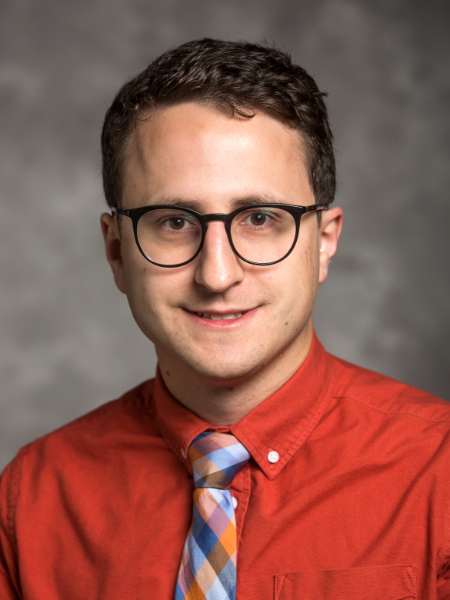
Coming soon ...
Kimberly Corbin
Radiation Oncologist at the Mayo Clinic Rochester
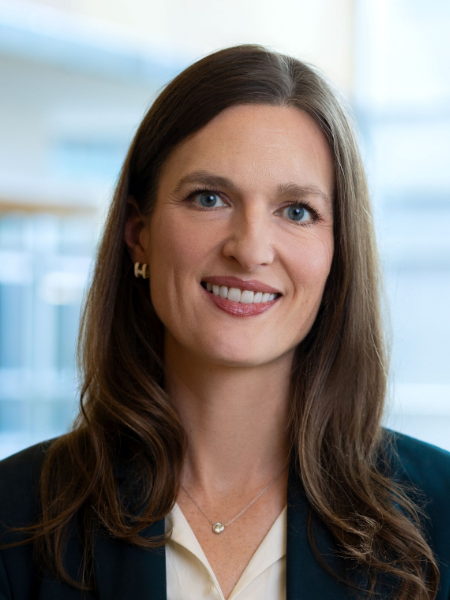
Kimberly S. Corbin, M.D., is a board-certified radiation oncologist, Consultant, and Associate Professor of Radiation Oncology at Mayo Clinic in Rochester, Minnesota. She serves as Chair for Education in the Department of Radiation Oncology and Program Director of Mayo Clinic’s Radiation Oncology Residency. Her clinical practice focuses on breast cancer, with particular expertise in proton therapy, complex breast radiotherapy, and strategies to reduce treatment-related toxicity. Her research has addressed hypofractionated postmastectomy radiation, accelerated partial-breast irradiation, proton therapy, reirradiation, radiation dermatitis prevention, and ablative treatment of oligometastatic breast cancer. She has delivered invited national and international presentations on breast radiotherapy, proton therapy, dose and fractionation, and toxicity reduction. Dr. Corbin works to advance effective, patient-centered radiation treatment while improving the safety, efficiency, and accessibility of breast cancer care.
Christina Henson
Associate Professor and Interim Chair of the Department of Radiation Oncology at the University of Oklahoma College of Medicine and OU Health Stephenson Cancer Center
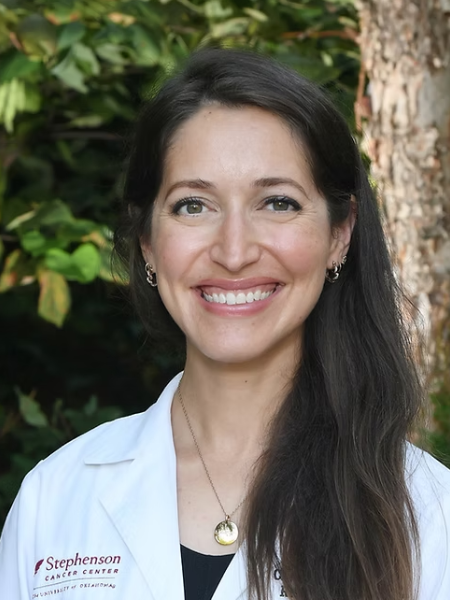
Dr. Christina E. Henson is Associate Professor and Interim Chair of the Department of Radiation Oncology at the University of Oklahoma College of Medicine and OU Health Stephenson Cancer Center. A nationally recognized physician-scientist and academic leader, she is dedicated to advancing patient care, education, research, and organizational excellence within academic medicine. Her major areas of interest lie in the treatment of head and neck and breast cancer.
Nationally, Dr. Henson is an active contributor to cooperative group research through NRG Oncology and recently completed her term on the Editorial Board of the International Journal of Radiation Oncology • Biology • Physics (the Red Journal). Her scholarly work focuses on improving outcomes through clinical research, implementation science, and multidisciplinary collaboration. She is currently national PI on two NRG trials in head and neck cancer and cervical cancer.
Haibo Lin
Director of Medical Physics and Dosimetry at the New York Proton Center
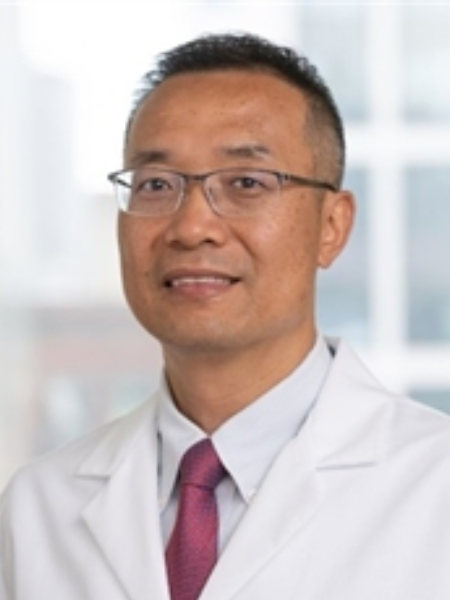
Dr. Lin, an Associate Research Professor and Director of Medical Physics at the esteemed New York Proton Center, also holds adjunct faculty positions at the Memorial Sloan Kettering Cancer Center and Albert Einstein School of Medicine. He earned his Ph.D. in Physics and M.S. in Medical Physics from the University of Missouri in 2009. His journey into the field led him to undertake medical physics residency training at UPenn, where he later distinguished himself as Chief Resident. Before his current role, Dr. Lin was the lead proton physicist at UPenn's Proton Center.His professional pursuits center around proton therapy radiation dosimetry, treatment planning, motion management, and pioneering advanced techniques such as FLASH RT and SFRT (Spatially Fractionated Radiotherapy). Dr. Lin is an engaged member of numerous prestigious professional societies, including AAPM, ASTRO, PTCOG, ABR, RAMPS, RSS, NRG, ECOG, and IAEA. Dr. Lin's scholarly contributions are substantial, with over 50 peer-reviewed publications, 5 book chapters, and more than 140 conference abstracts to his credit. He further enriches the field as an editorial member of journals like Medical Physics, JACMP, Cancers, and Frontiers in Oncology. In recognition of his outstanding contributions, Dr. Lin was honored with AAPM Fellow status in 2023.
Susan McGovern
Associate Professor at the University of Texas M.D. Anderson Cancer Center, Houston
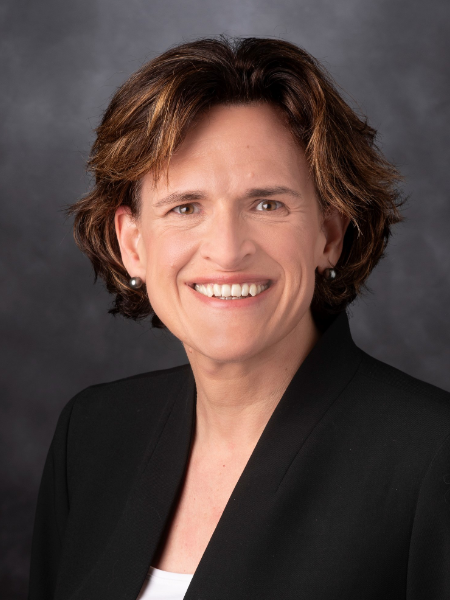
Dr. McGovern is a Professor of Radiation Oncology and Medical Director of the Proton Therapy Centers at MD Anderson Cancer Center. She has a joint appointment at Texas Children’s Hospital. Her clinical practice includes treating children and adults with complex brain, spine, and skull base tumors. She has extensive clinical and research expertise in reirradiation of recurrent brain and skull base tumors. She serves as the Radiation Oncology PI for pediatric brain tumor trials through cooperative groups including COG and PNOC, as well as local investigator-initiated trials.
Dawn Owen
Division Lead for Thoracic Radiation Oncology at Mayo Clinic Rochester
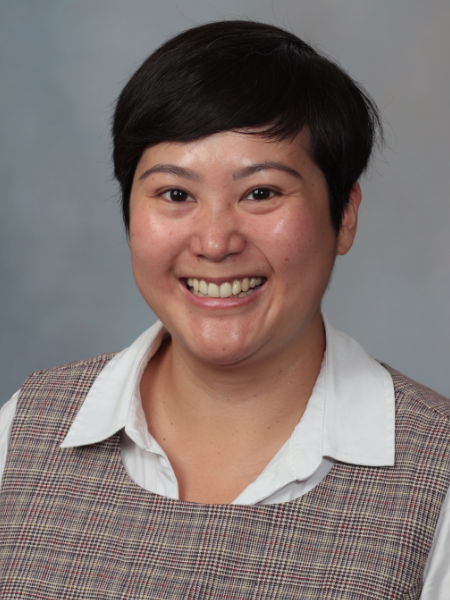
Dr. Owen completed a combined MD/PhD at the University of Toronto in 2007 and radiation oncology residency at the University of British Columba (BC Cancer) in 2012. She undertook a fellowship in stereotactic body radiotherapy from Mayo Clinic Rochester from 2012-2013. She was on faculty at the University of Michigan prior to joining the Mayo Clinic Rochester thoracic radiation oncology group in 2019. Dr. Owen is currently the Division Lead for Thoracic Radiation Oncology at Mayo Clinic Rochester. She is the Mayo Clinic representative for the NCCN guidelines on NSCLC, thymic malignancies, and pleural/peritoneal mesothelioma. She is a member of the PTCOG Thoracic Subgroup Committee. She has expertise in multiple thoracic malignancies and leads the lung proton effort at Mayo Clinic Rochester.
Paige Taylor
Assistant Professor in the Department of Radiation Physics at The University of Texas MD Anderson Cancer Center, Houston
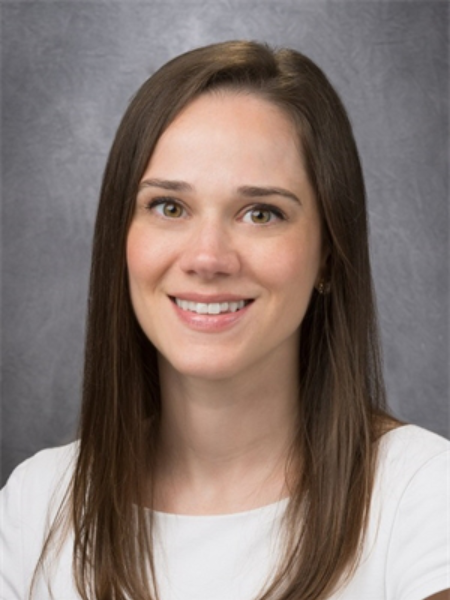
Paige A. Taylor, PhD, is an Assistant Professor in the Department of Radiation Physics at The University of Texas MD Anderson Cancer Center. Her work focuses on improving the quality, consistency, and reliability of advanced radiation therapy delivery, with particular expertise in proton therapy. Dr. Taylor leads efforts to develop and implement robust clinical trial quality assurance programs that help ensure the accuracy and integrity of data collected across proton institutions. By supporting high-quality clinical trial execution, her work enables meaningful evaluation of treatment outcomes and advances evidence-based care. She is an active educator, researcher, and speaker on proton therapy, clinical trial quality assurance, and medical physics.
Kevin Teo
Professor at the University of Pennsylvania, Philadelphia
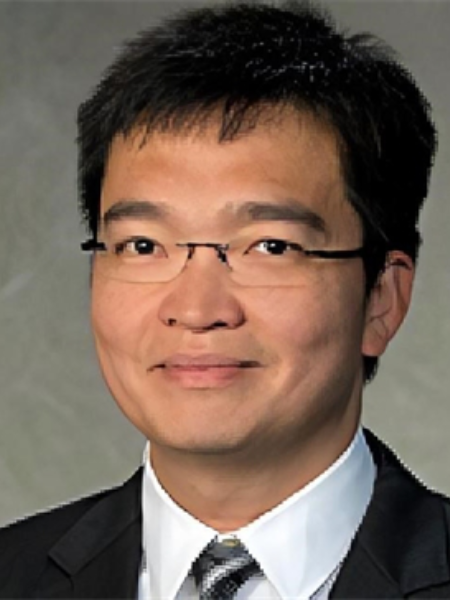
Dr. Teo is a Professor of Radiation Oncology and director of the medical physics division at Penn Medicine. His primary research interests have focused on methods to maximize the benefit of the unique dosimetric properties of proton therapy. These include the development of quantitative tools to reduce proton range uncertainty using prompt gamma imaging and the application of dual energy CT to calculate proton stopping power. In 2020, Penn Medicine deployed the use of dual energy CT for proton treatment planning with reduced range uncertainty margins for CNS and head/neck patients. His other research interests include clinical implementation of proton FLASH therapy, specifically the development of novel techniques to fabricate beam-modifying devices.
Ming Yang
Professor at the UT MD Anderson Cancer Center, Houston
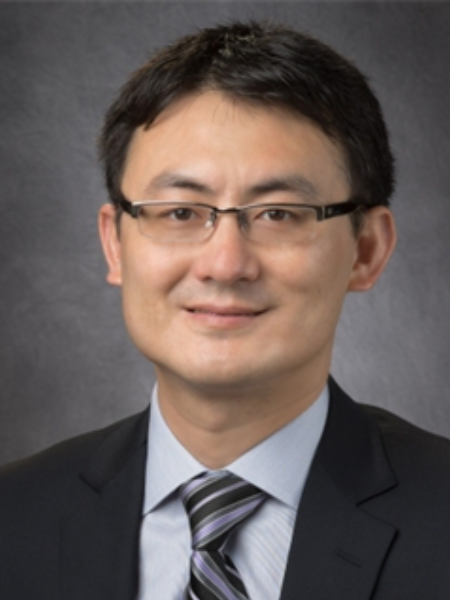
Ming Yang is currently an Associate Professor in Radiation Physics Department at UT MD Anderson Cancer Center (MDACC). He obtained his Ph.D. in medical physics at MDACC in 2011, and stayed thereafter to receive clinical training through the residency program. After completing the residency, Dr. Yang joined UTSW as an assistant professor in 2013. Dr. Yang re-joined MDACC to work as a faculty medical physicist at the proton therapy center at MDACC in 2019. His work at MDACC include clinical service, education and research. Dr. Yang’s main research interest is devoted to improving the quality and robustness of proton radiation therapy by employing advanced imaging techniques such as dual-energy CT or advanced computational/optimization algorithms such as deep learning-based algorithms. Other research interests include individualized treatment modality selection, robust treatment planning, outcome prediction, accurate dosimetry for proton FLASH radiation, etc.
Youssef Zeidan
Associate Professor of Radiation Oncology at the Florida International University
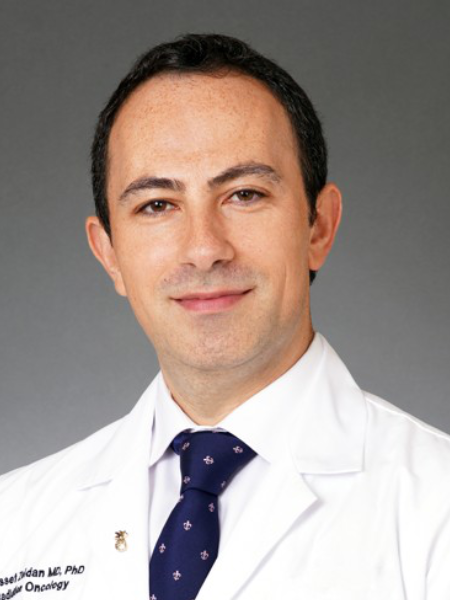
Youssef Zeidan, M.D., Ph.D. is the Associate Professor of Radiation Oncology at Florida International University and radiation oncologist at Lynn Cancer Institute part of Baptist Health. Dr. Zeidan specializes in treating breast cancer. Dr Zeidan served as an assistant professor of radiation oncology at the University of Miami. He was then appointed as residency program director and Vice Chair in the Department of Radiation Oncology at the American University of Beirut. He received his dual M.D./Ph.D. degree from the Medical University of South Carolina. This was followed by four years of residency training in radiation oncology at Stanford University, where he served as chief resident. Dr. Zeidan has authored more than 60 peer-reviewed publications in the field, focusing on tailored radiotherapy options. He received several grants and awards from the radiological society of North America (RSNA) and the American Society for Radiation Oncology (ASTRO). His work was recognized by the Young Leader Award from the Union for International Cancer Control. In 2025, he was awarded the VIVLI ambassador award. Dr. Zeidan approaches cancer care by taking the time to understand each patient’s social and psychological perspectives. He believes this is key for developing a successful treatment plan. When he is not treating patients, Dr. Zeidan enjoys spending time with family and friends, attending community events, visiting historical sites and reading.
PTCOG-NA Copyright © 2019. All Rights Reserved.
Powered by APPTIDE | Terms of Service